
Help Center
Remodeling Guides and Answers
Straightforward articles that answer the questions Aurora homeowners ask most about remodeling, repairs, restoration and aging in place.
Latest Articles
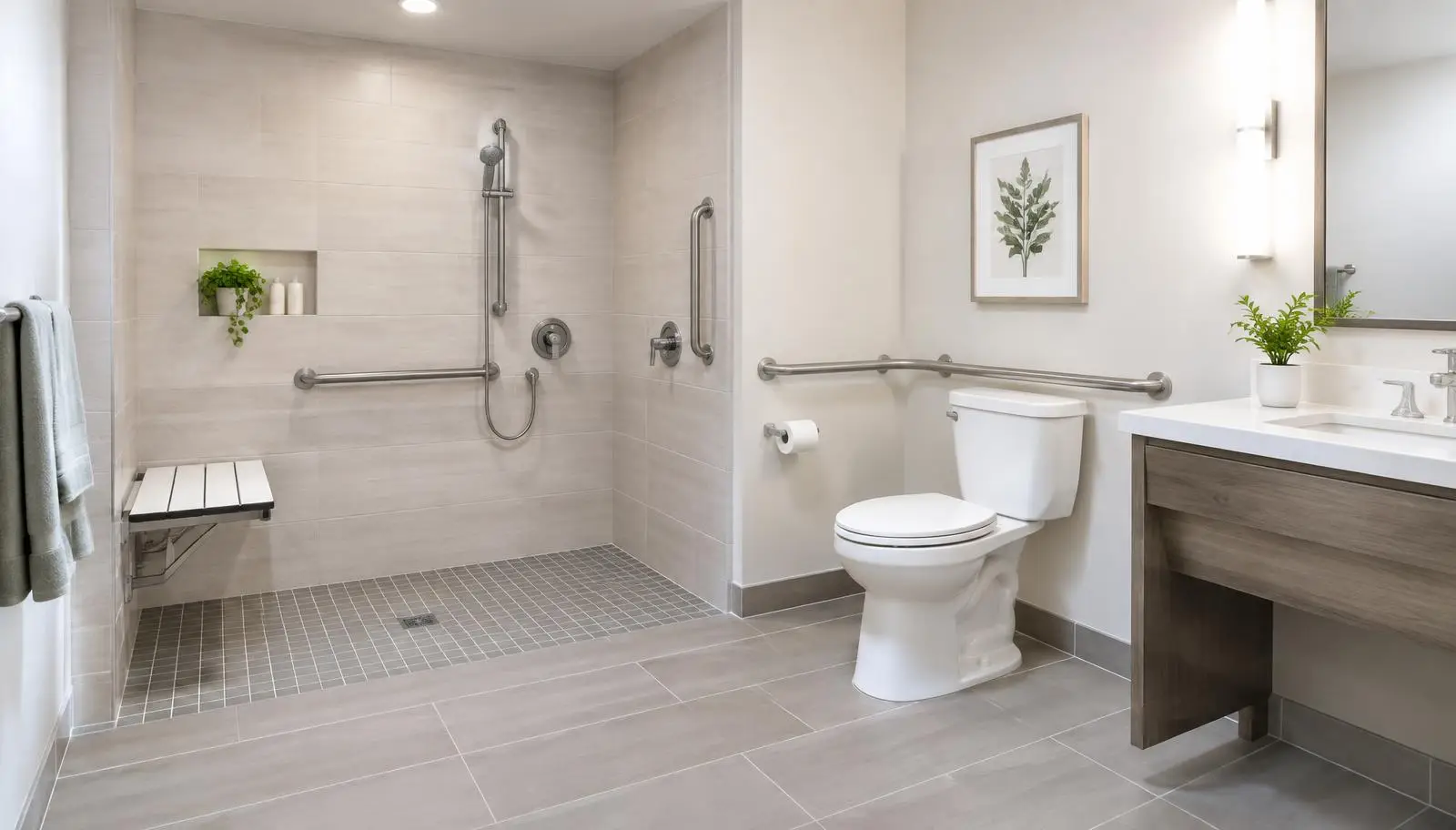
What Is Aging In Place Remodeling?
Aging in place remodeling updates a home so people can live there safely and independently as they get older. The most valuable changes are bathroom safety updates, better lighting, wider doorways, non slip floors and kitchens with easier to reach storage.
Read the guide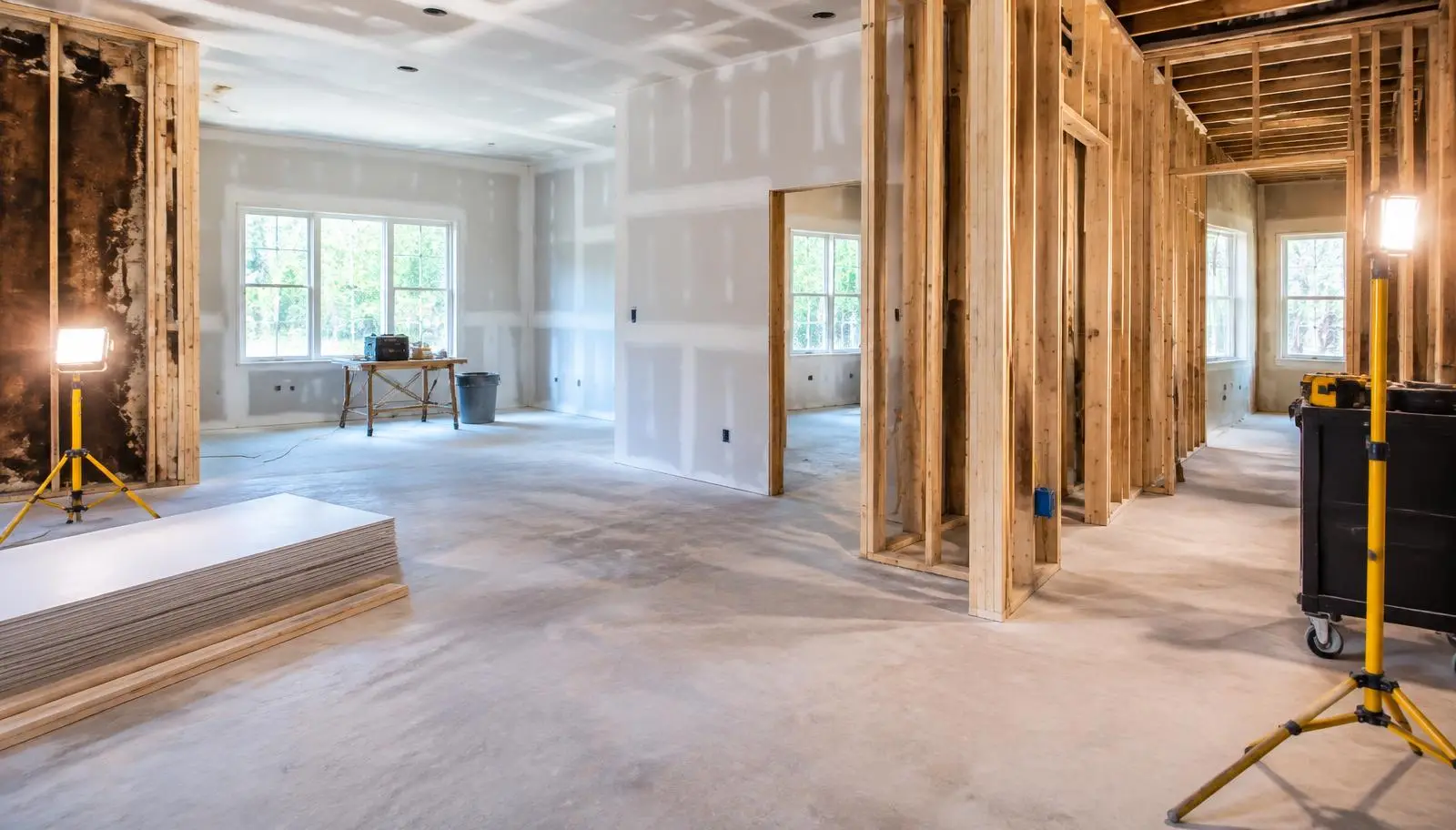
Fire Damage Reconstruction: What Can Be Saved and What Must Be Rebuilt
Fire damage rarely stops at the flames. Smoke, soot and the water used to fight the fire spread through the home and affect rooms that never burned. Reconstruction starts with a clear assessment of what can be saved, then rebuilds in a set order so the home is safe and dry before finishes go back.
Read the guide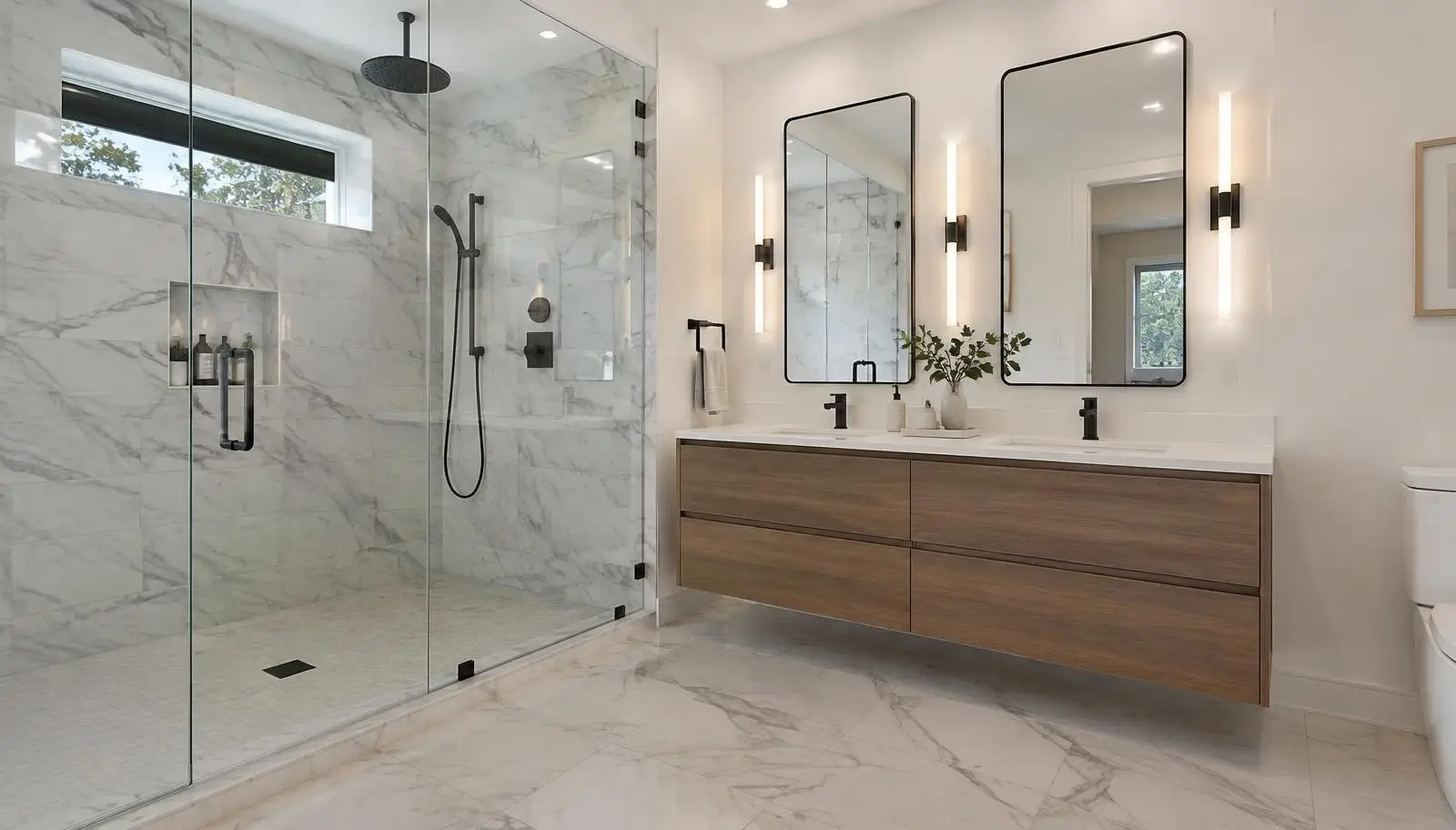
Walk In Shower or Tub To Shower Conversion?
A tub to shower conversion replaces an existing bathtub with a shower in the same space. A walk in shower is any shower you can step into without climbing over a tub wall. Both improve safety and make bathrooms easier to clean.
Read the guide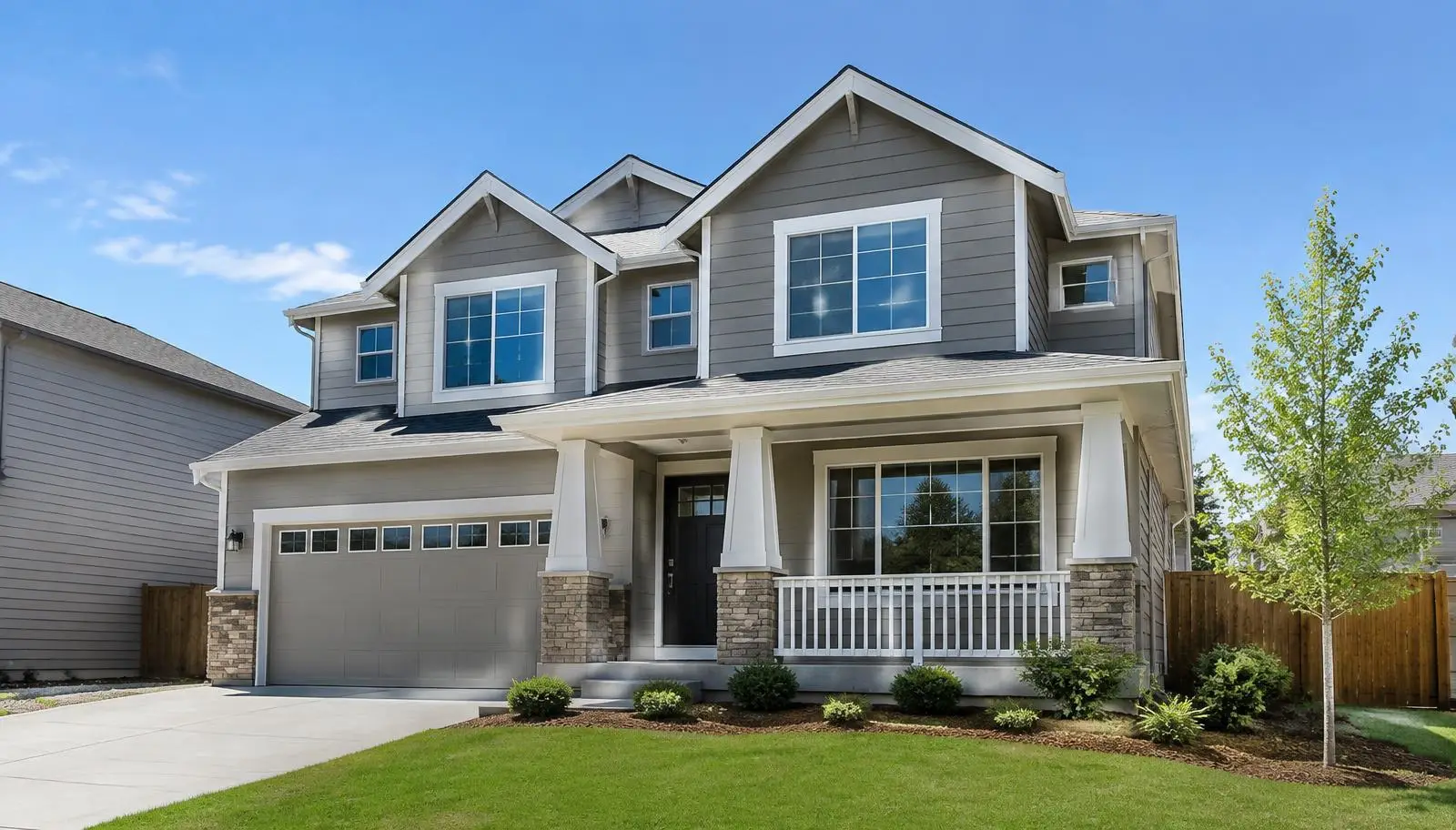
Exterior Home Renovation: Where to Start
Exterior renovation works best in a set order, starting with the parts that keep water out. Roof and gutters come first, then siding and trim, then windows and doors, then the cosmetic layers such as paint, the front entry and decking.
Read the guide
Kitchen Remodel Ideas for Small and Outdated Kitchens
Small and outdated kitchens benefit most from taller cabinets, smarter storage, a lighter backsplash, better lighting and new countertops. Many of these updates can be done without moving walls.
Read the guide
Whole House Renovation or Room by Room?
A whole house renovation is usually cheaper per square foot and produces a more consistent result, while room by room work spreads cost over time. The deciding factors are how long you will stay, whether you can move out, and whether the systems behind the walls need attention.
Read the guide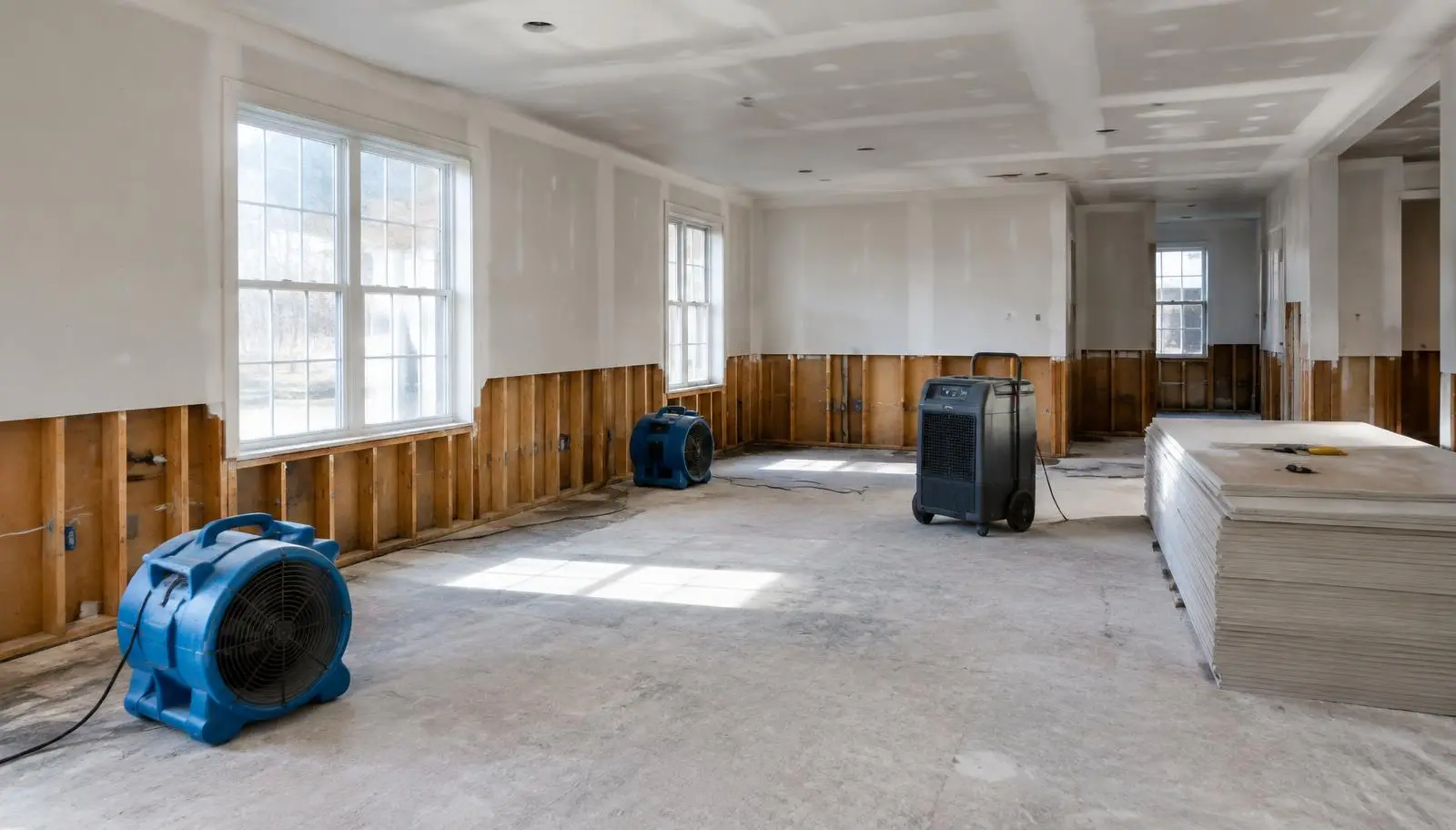
Ceiling Water Damage: Signs, Causes and Repair
Stains, bubbling paint and sagging drywall are signs of ceiling water damage. After the leak is fixed and the area is dry, small areas can be patched, while sagging or crumbling sections should be replaced.
Read the guide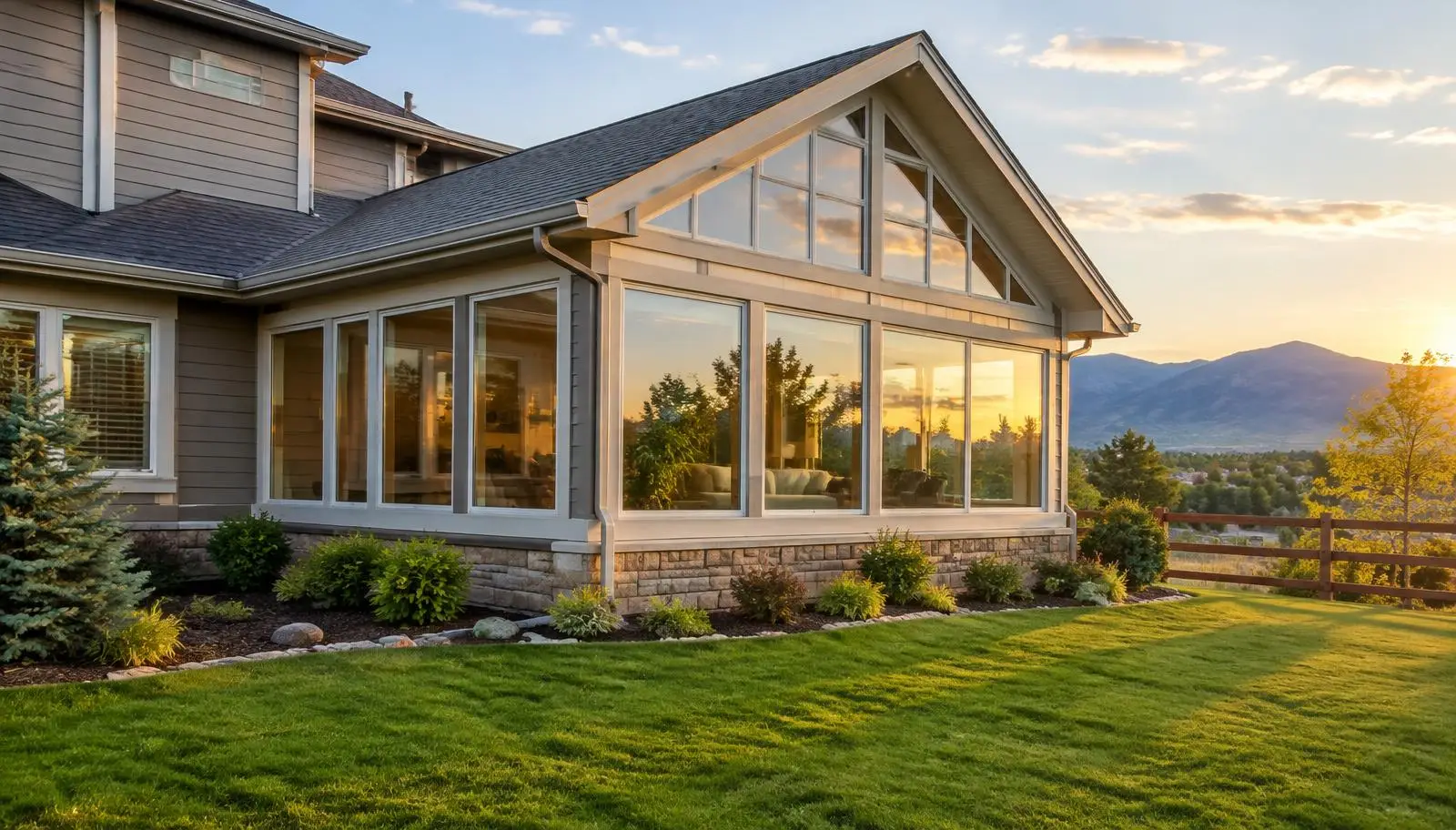
Room Additions in Aurora: How to Add Square Footage Without Moving
A room addition adds square footage where you already live, which is usually cheaper per square foot than buying a larger home. The main choices are a bump out or a full addition, the foundation type, how the new roof ties into the old one, and getting the permit and egress requirements right from the start.
Read the guide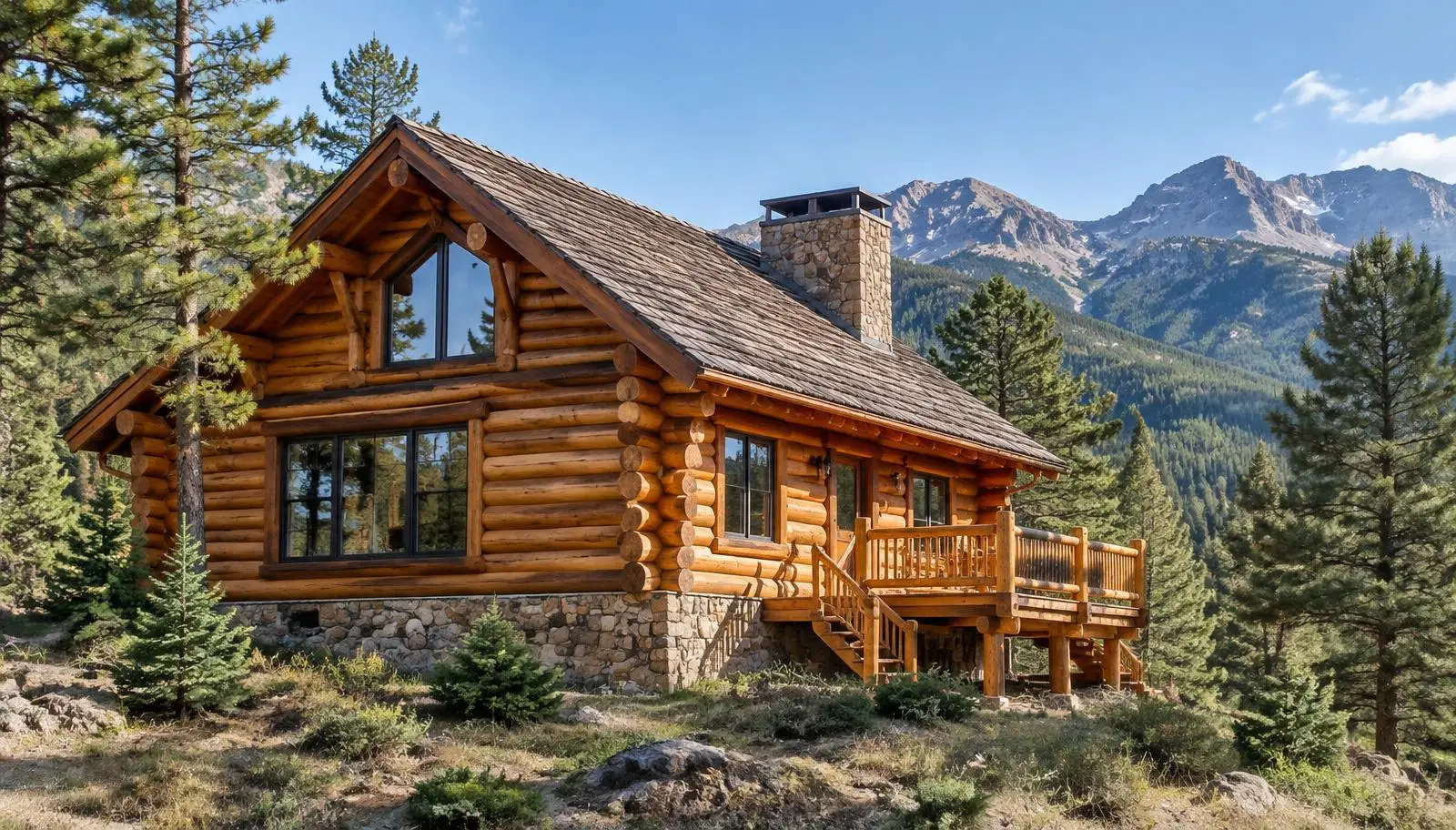
Log Home Staining and Sealing in Colorado
Colorado sun and weather break down log finishes quickly. When water stops beading, logs turn gray or stain peels, it is time to clean, repair and restain to prevent rot.
Read the guide
Turning a Garage Into a Living Space
A garage conversion adds usable square footage without a new footprint, but the space was never built as a room. Insulation, floor height, moisture control, heating and cooling, and the permit all have to be handled before finishes go in.
Read the guide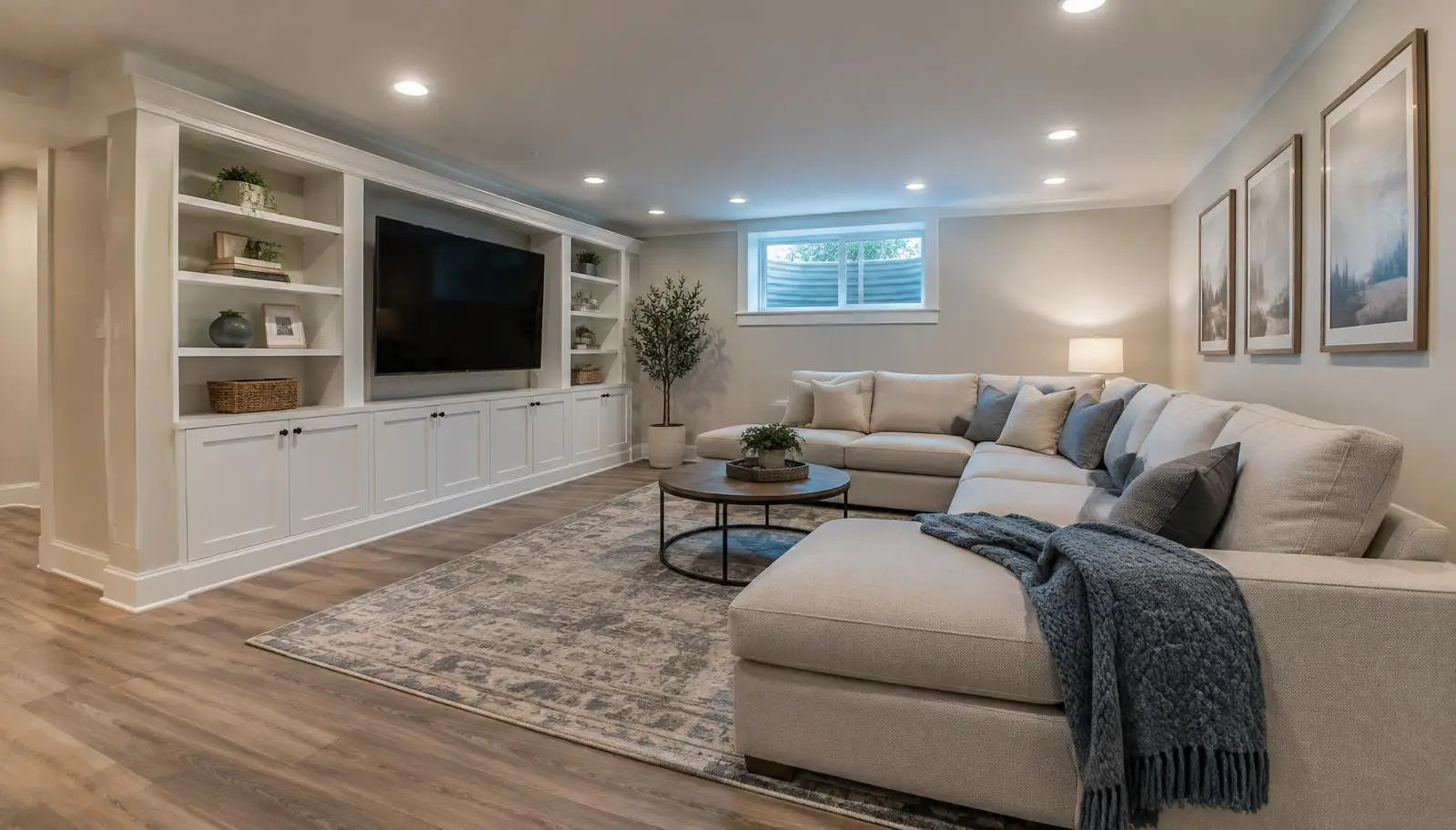
Planning a Basement Finish in Aurora
Planning a basement finish starts with how you want to use the space, then layout around mechanicals, permits, egress for bedrooms, flooring choices and a realistic timeline.
Read the guide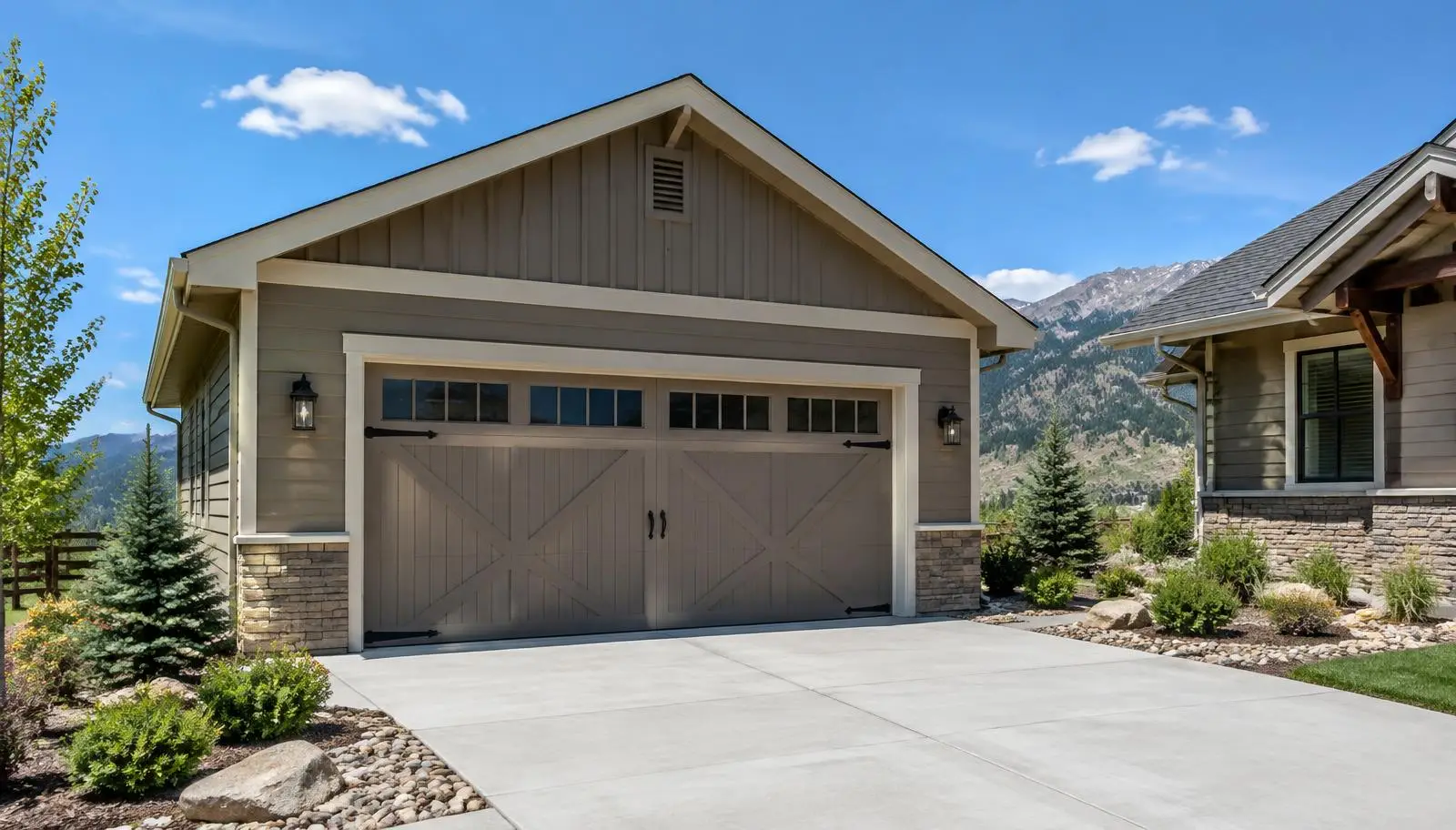
Building a Detached Garage in Aurora
A detached garage adds parking and workshop space without touching the house. The plan is shaped by lot coverage limits, setbacks and height rules, and the cost is driven mostly by the foundation, the roof style and how far the utilities have to run.
Read the guide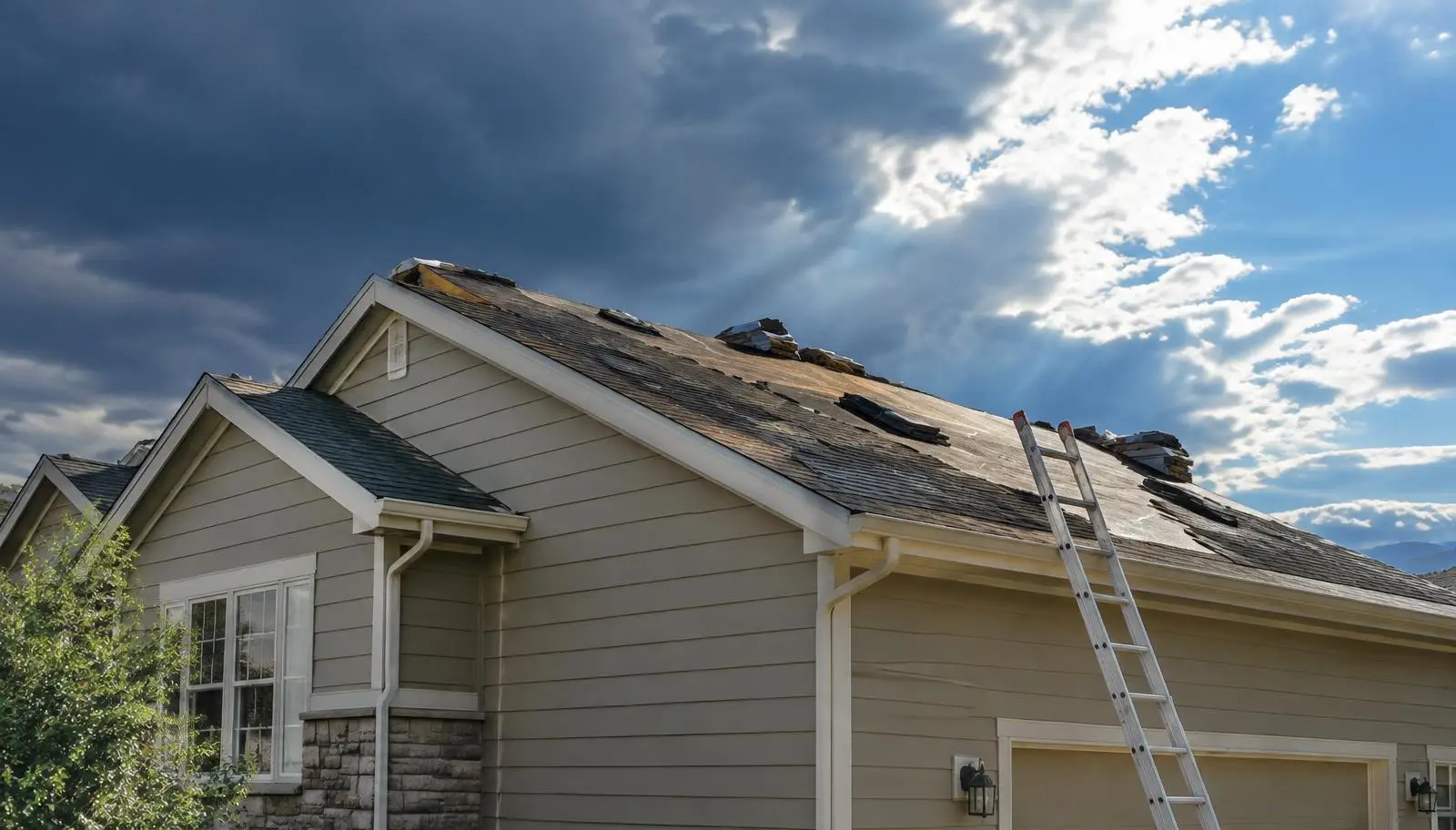
Hail and Storm Damage Repair Checklist
After a hail or wind storm, inspect siding, trim, windows, fences and interior ceilings, document damage with photos, secure openings and schedule repairs before water causes more damage.
Read the guide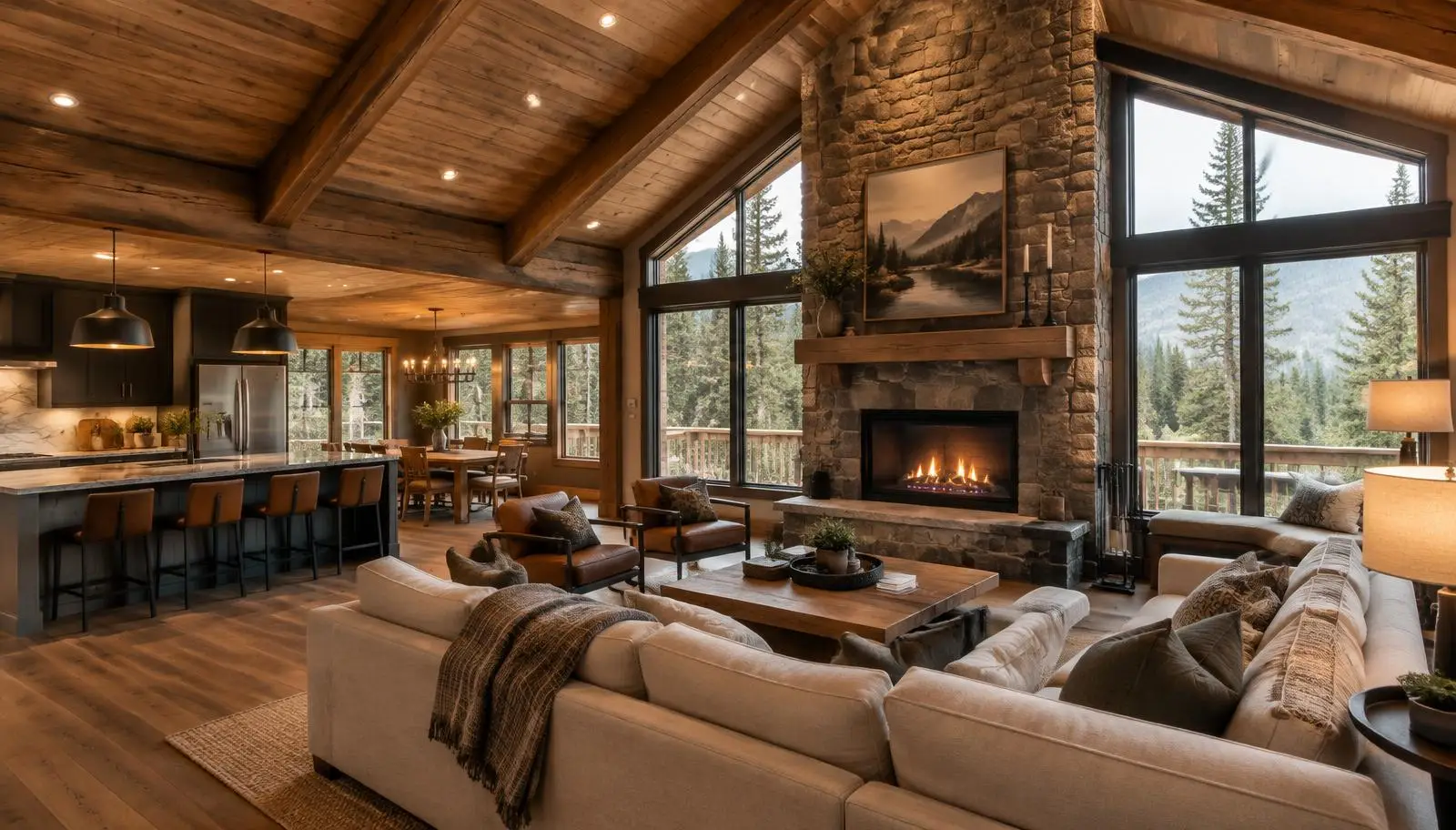
Cabin Remodeling in the Colorado Mountains
Cabin remodeling follows different rules than a suburban kitchen job. Access, weather windows, the way log and timber structures move, well and septic capacity, and off grid power all shape what is possible and what the project will cost.
Read the guideHow To Choose a Remodeling Contractor in Aurora
Choose a remodeling contractor with local experience, clear written scopes, good communication, a verifiable business record and the ability to coordinate licensed trades.
Read the guide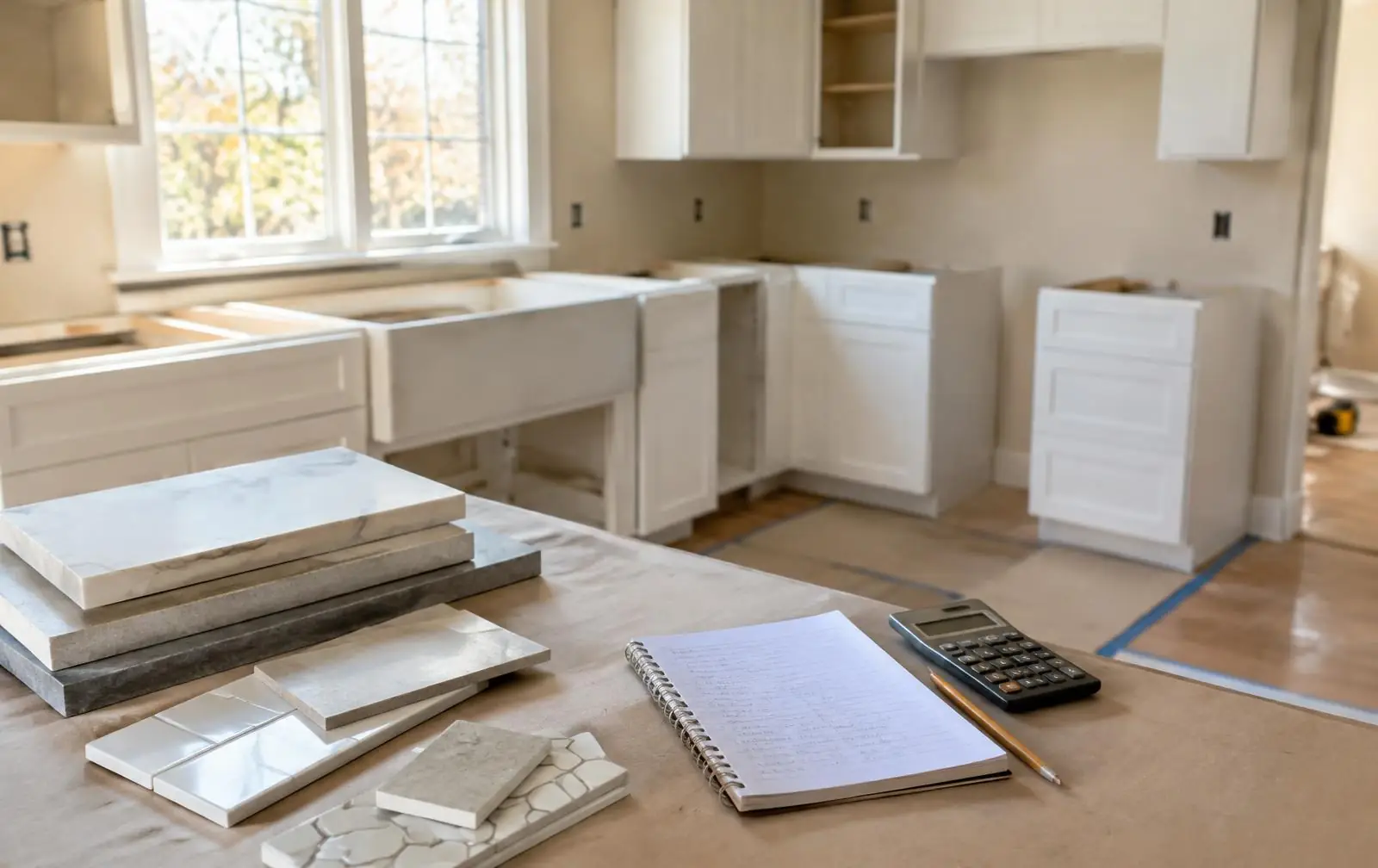
What a Remodel Costs in the Denver Metro
Published Denver metro cost guides place a kitchen remodel between roughly 36,000 and 107,000 dollars, with a typical 150 square foot kitchen near 62,000. Bathroom remodels average near 11,000 with most falling between about 5,500 and 17,000. Scope, finishes and what is behind the wall decide where your job lands.
Read the guide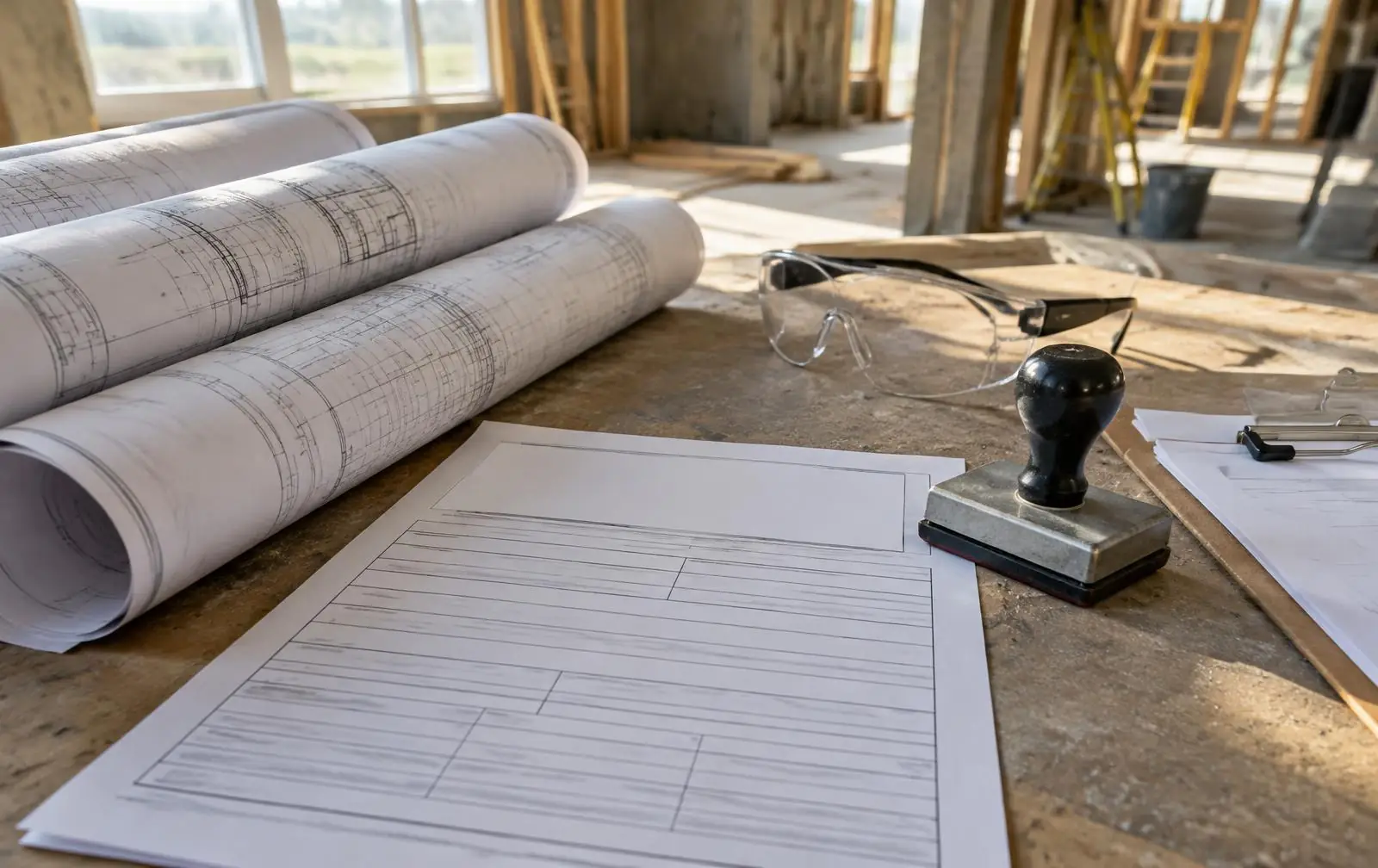
Aurora Building Permits: Which Remodels Need One
In Aurora, work that changes framing, wiring, plumbing or ductwork needs a building permit, while cosmetic work such as paint, flooring and like for like fixture swaps generally does not. The Building Division reviews plans and inspects the work in stages before the walls close.
Read the guide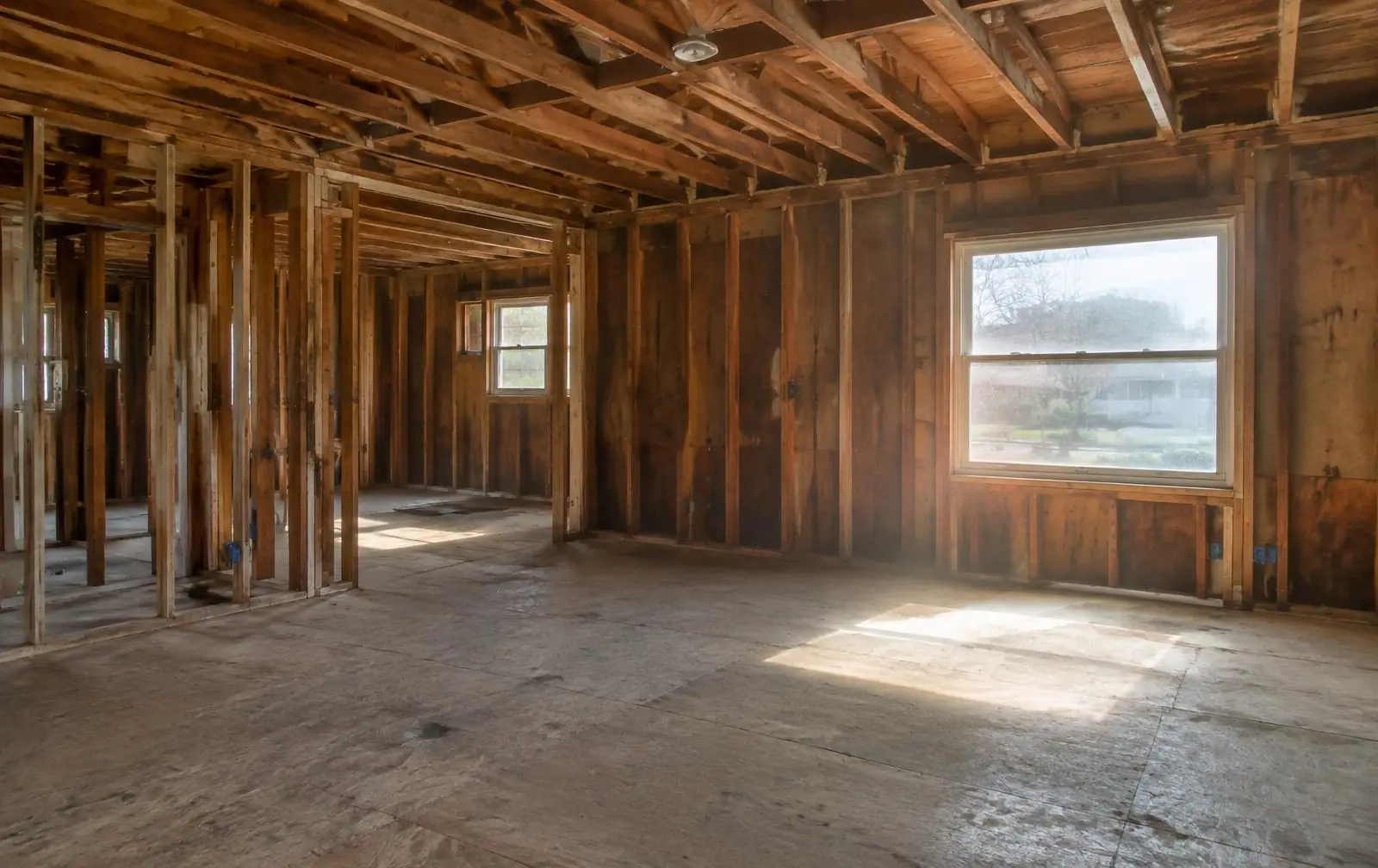
Remodel or Rebuild: How to Decide on an Older Home
The remodel or rebuild decision comes down to whether the shell is sound. A straight foundation, sound framing and a workable layout favor remodeling. Widespread rot, structural movement or a layout that cannot be fixed usually means rebuilding, and the lot itself is often the reason to stay.
Read the guide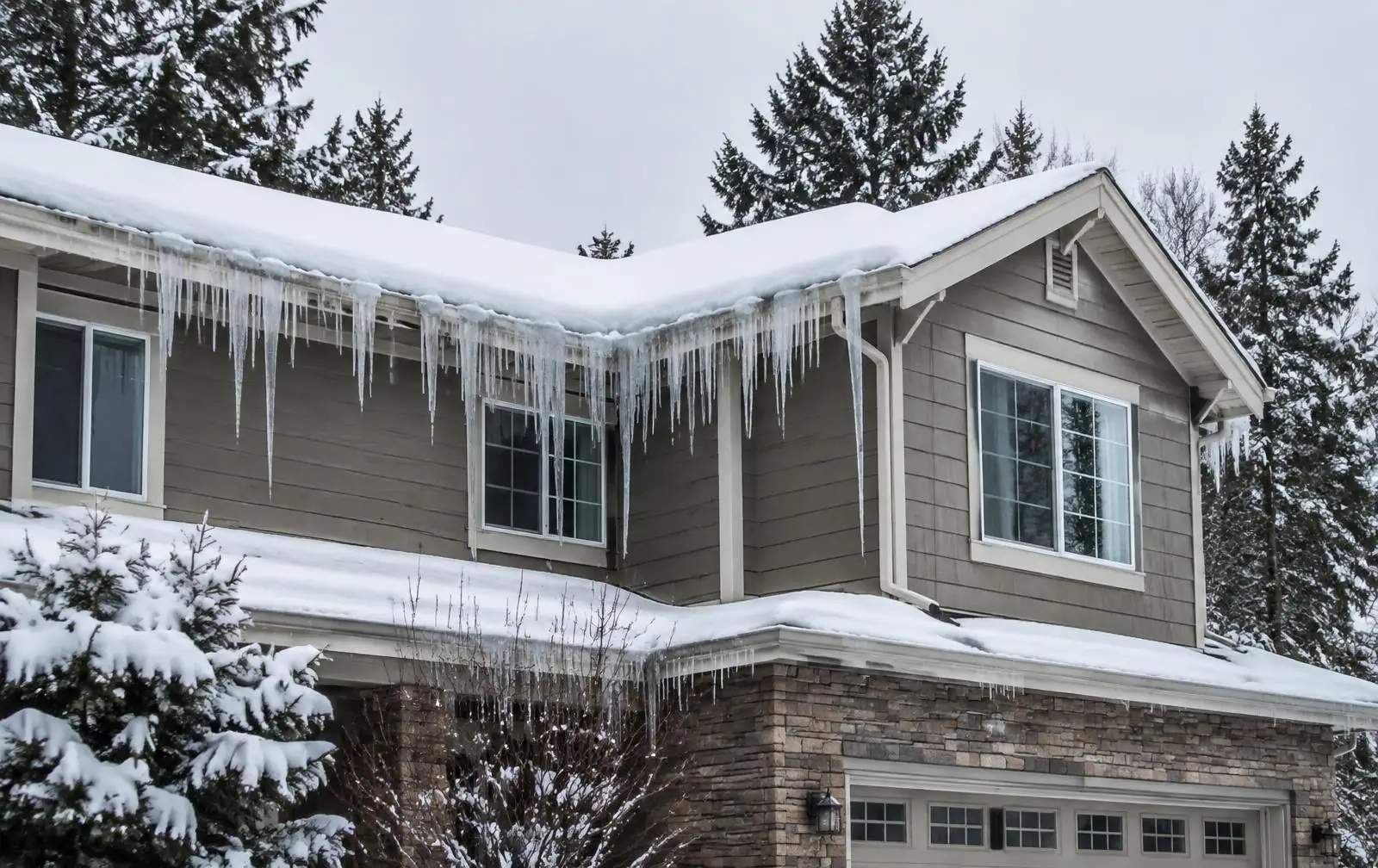
Ice Dams in Colorado: Causes, Damage and Repair
Ice dams form when heat from the house melts roof snow, the meltwater runs down and refreezes at the cold eaves. The ridge of ice then blocks drainage and pushes water up under the shingles and into the attic, ceilings and walls. Fixing it means drying and repairing the interior and then addressing the attic heat loss that caused it.
Read the guide
The Best Time of Year to Start a Remodel in Colorado
Interior remodels can run any month because the weather stays outside. Work that opens the roof or exterior walls needs a dry window, which in Colorado means late spring through early fall, and should be booked ahead because contractors fill up in the warm months. Planning in the off season gets a better schedule and often better pricing.
Read the guideReady to Plan Your Project?
Tell Abraham what you have in mind. You will get straightforward answers and a clear written scope.